
may 15, 2026
Why Microbe-Edible? The Change That Starts at Home

More and more people are finding ways to return organic waste back to the earth — from food scraps to yard waste. It’s never been easier to close the loop on the things we use every day.
But what about plastics?
Microbe-edible materials take that idea one step further. By upcycling agricultural waste into materials that perform just like conventional plastic, we can make use of what the earth already gives us, and return it when we’re done. This results in no landfills and no microplastics. Just organic matter going back to the soil where it belongs.
how does the breakdown process work?
When the environment is right, the right balance of nitrogen, carbon, air, and water, microorganisms get to work breaking down organic matter like food scraps, yard waste, and microbe-edible materials. The end result is rich, dark organic matter that’s full of nutrients and ready to be returned to the soil.
Can you process microbe-edible materials at home?
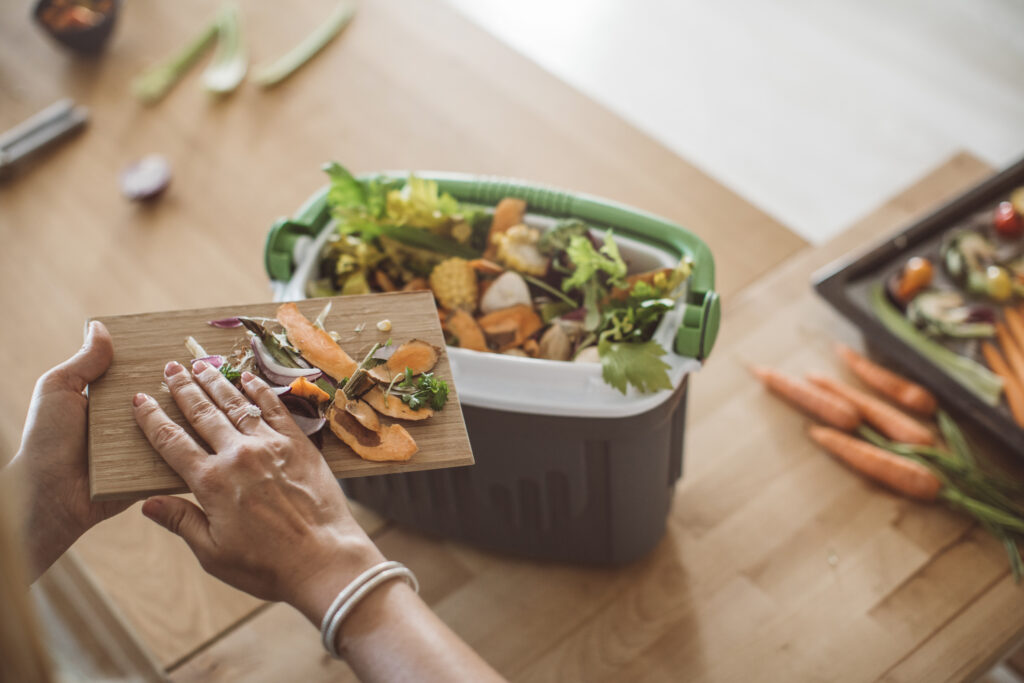
Yes, and that’s exactly the point. Unlike many materials that claim to be sustainable but require industrial facilities to break down properly, būmi products can return to the earth right in your own backyard.
When you’re done with a būmi product, it can go straight into a home environment alongside food scraps and organic waste, where it contributes to soil health as microorganisms consume it. No special equipment. No industrial facility. Just materials doing what they were designed to do.
The ideal way to return materials to the earth
Recycling is a worthwhile practice, especially in a world where conventional plastic is still hard to avoid. But the negative impacts of synthetic plastic are well documented, and recycling only manages the problem rather than solving it. Microbe-edible materials offer a genuine alternative that’s becoming more accessible every day.
Industrial facilities and home processing produce similar results when conditions are right, but industrial facilities come with real limitations. Contaminants mix into the waste stream, incoming material is inconsistent, infrastructure isn’t always available, and many facilities won’t even accept microbe-edible plastics because they’re difficult to verify.
At home, you control the process. You know exactly what’s going in — and exactly what’s coming out.
Where do būmi's microbe-edible products fit in?
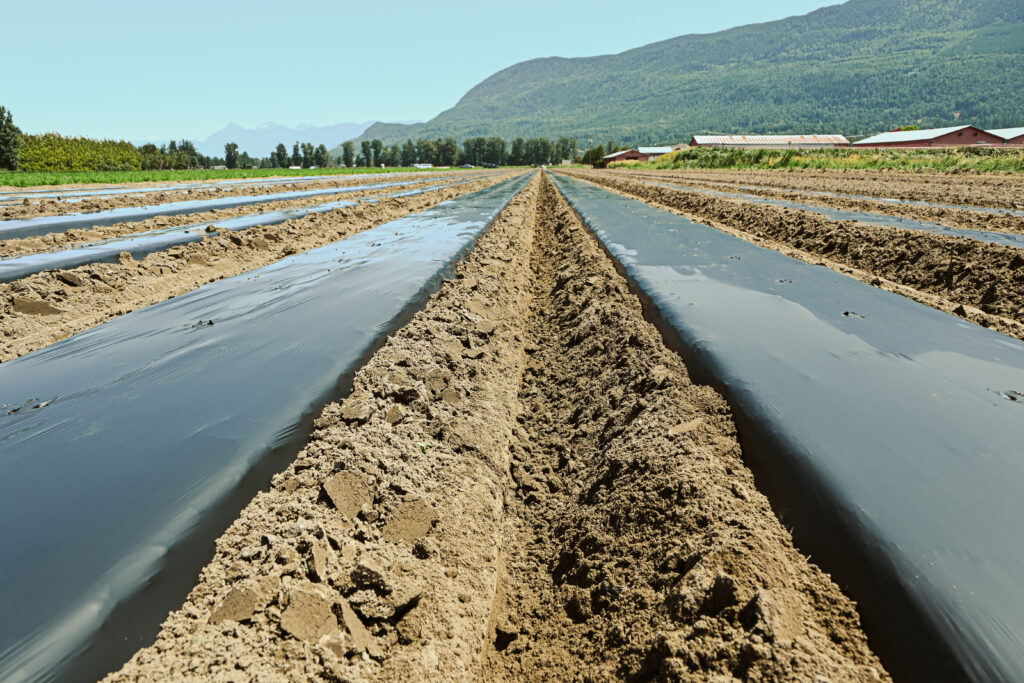
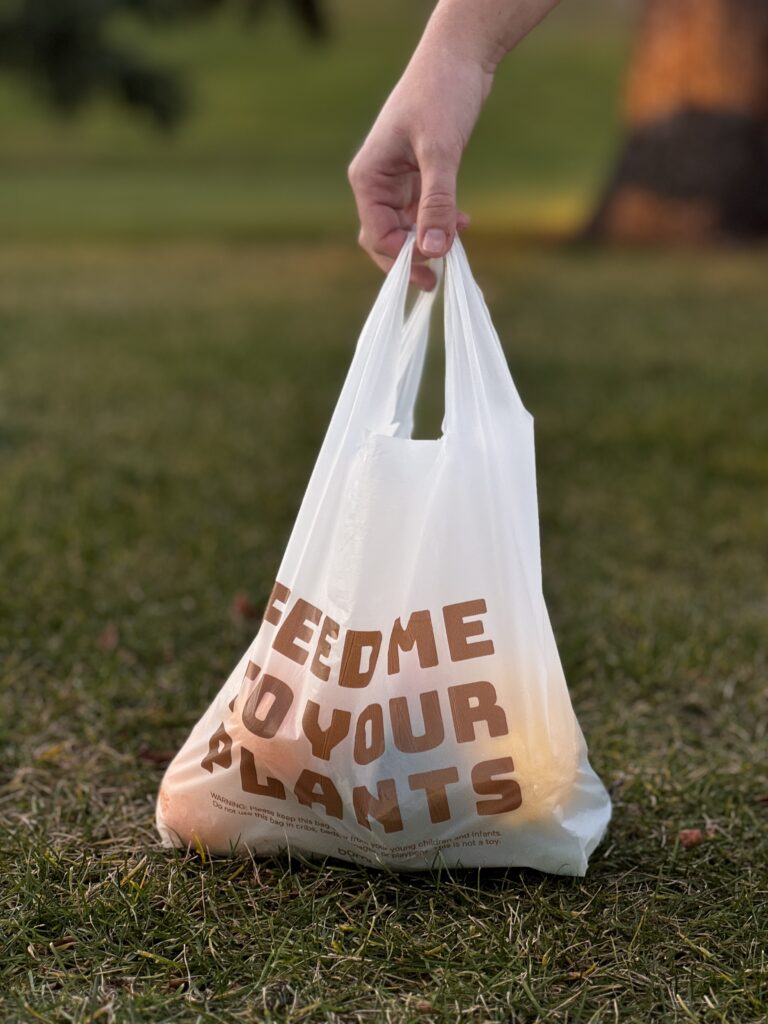
būmi products are microbe-edible, and that puts them in a category of their own. Not all bioplastics are created equal. Some are biobased but not biodegradable. Others are biodegradable but not biobased. būmi products are both, with all the performance of conventional plastic and none of the lasting damage.
Unlike bioplastics that require industrial facilities to break down properly, būmi products don’t need special equipment or specialized conditions, just the same environment as your food scraps. Microorganisms do the rest.
- Break down into water, CO2, and organic matter with no toxic residues
- Return to the earth alongside other organic materials at home
- Fully consumed by microorganisms within 3–6 months
Certifications: Officially microbe-edible
Calling a product microbe-edible or home compostable isn’t enough — it has to be proven. Third-party certifications exist to verify that a supplier’s claims are accurate and that the product is genuinely safe for the environment and the consumer. The certifier’s seal tells you that what’s on the label can be trusted.
There are several credible certifications out there — some more rigorous than others. būmi has earned four of the world’s leading ones
Biodegradable Products Institute: BPI Compostable
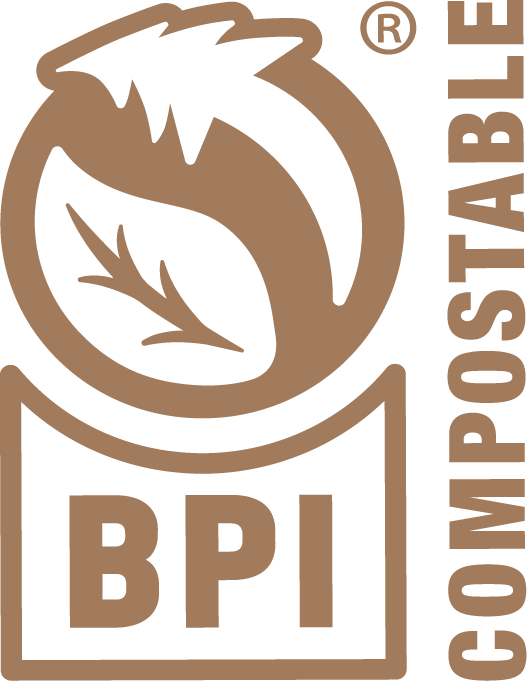
The BPI Certification Mark indicates that a plastic product passes ASTM D6400 standards for compostability. This North American certification verifies that the product can be safely composted alongside food waste and yard trimmings. As of now, the BPI certification does not differentiate between home and industrial composting, but don’t worry—we’ve got home composting covered, too. The testing requirements for BPI certification include:
- Biodegradation
- Disintegration
- Compost quality
Australasian Bioplastics Association: Home Compostable
The Home Compostable Verification label identifies plastic materials that are biodegradable and compostable. Specifically, the tested material must be home compostable. It requires conformance to Australian standards AS5810 and/or AS4736. The assessment covers four areas:
- Characterization
- Biodegradability
- Disintegration
- Compost quality (including toxicity)
DIN CERTCO: DIN-Geprüft HOME Compostable
Germany’s DIN-Geprüft HOME Compostable label certifies that consumers can safely compost the entirety of a product at home. Plastic products must comply with several internationally-recognized standards, but this certification uses NF T51-800 as the basis for its tests. These include:
- Chemical characterization
- Complete biodegradability
- Disintegration
- Plant compatibility (ecotoxicity test)
- Earthworm toxicity test
- Characterization
- Biodegradability
- Disintegration
- Compost quality (including toxicity)
European Bioplastics: Seedling
Products labeled with the Seedling are certified for industrial compostability by two leading European certification organizations: Belgium’s TÜV Austria Belgium and Germany’s DIN CERTCO. This requires testing specifically according to EN 13432 / EN 14995 standards. To pass those standards, bioplastic products must undergo testing checking for:
- Chemicals
- Biodegradability
- Disintegration
- Ecotoxicity
Looking to the future
būmi isn’t stopping there. Beyond our current certifications, we’re already looking ahead to the next ways we can verify and strengthen our commitment to microbe-edible materials and environmental responsibility.
- Compost Manufacturing Alliance (CMA): Tests adherence to industrial composting standards
- Life Cycle Assessment (LCA): Determines the environmental impact of an item from material extraction to waste treatment
Unlike bioplastics that require industrial facilities to break down properly, būmi products don’t need special equipment or specialized conditions, just the same environment as your food scraps. Microorganisms do the rest.
Key takeaways about microbe-edible materials
Whether you’re returning materials to the earth at home or choosing microbe-edible packaging for your customers, the benefits go all the way around.
- Anyone can return microbe-edible materials to the earth — no industrial facility required
- Microbe-edible products are safe for the soil and actively enrich it
- To be officially microbe-edible, a product needs certification from credible third-party organizations
- Biodegradable doesn’t necessarily mean biobased or microbe-edible
- Not all bioplastics are bio-based or microbe-edible — but būmi’s are
Share this story
Connect
Recent Stories