may 15, 2026
Nourishing the Soil: Decomposing Into Nutrients
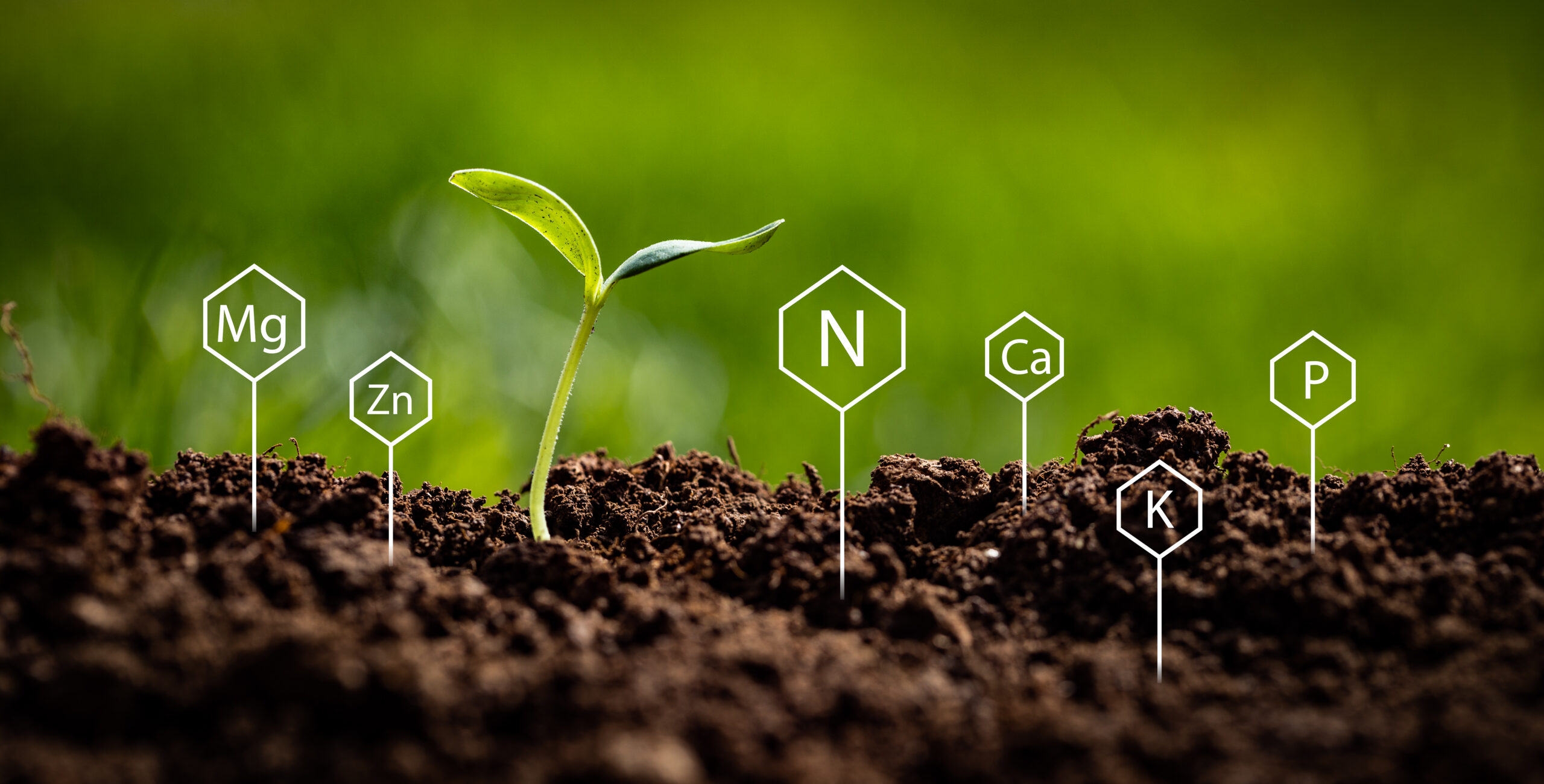
When microbe-edible materials and organic waste break down, they don’t just disappear. They become something useful. The nutrient-rich organic matter that results is exactly what soil needs to stay healthy and help plants thrive.
Conventional, fossil fuel-based plastics leave behind toxins and microplastics when they’re incinerated and disposed of in landfills, or when they slowly break down. Microbe-edible materials do the opposite, consumed by microorganisms and returned to the soil as nutrients, not pollutants.
What nutrients are in healthy soil?
The non-mineral elements in healthy soil are the ones you may be most familiar with: hydrogen, oxygen, and carbon. In other words, H2O, O2, and CO2. The other mineral elements are divided into macronutrients and micronutrients.
- Primary macronutrients: nitrogen, phosphorous, potassium (also known by the acronym NPK)
- Secondary macronutrients: calcium, manganese, sulfur
- Micronutrients or trace elements: boron, copper, iron, manganese, molybdenum, zinc
Plants absorb primary macronutrients in the largest quantities, which is why they’re the first to get depleted and the most important to replenish. When microbe-edible materials break down, the organic matter they return to the soil helps restore exactly these nutrients naturally.
What does the breakdown process need to work?
The main elements that go into composting are nitrogen, carbon, oxygen, and water. For microorganisms to fully consume microbe-edible materials, they need the right environment. The four key elements are nitrogen, carbon, oxygen, and water. Getting the balance right has a direct impact on how quickly and how well the breakdown happens.
The ratio of nitrogen to carbon depends on what organic matter is present. Nitrogen-rich material is called “green matter” and carbon-rich material is called “brown matter.” A healthy balance is roughly two to three parts brown matter for every one part green matter. Giving microorganisms exactly what they need to do their best work.
What are the benefits of healthy soil?
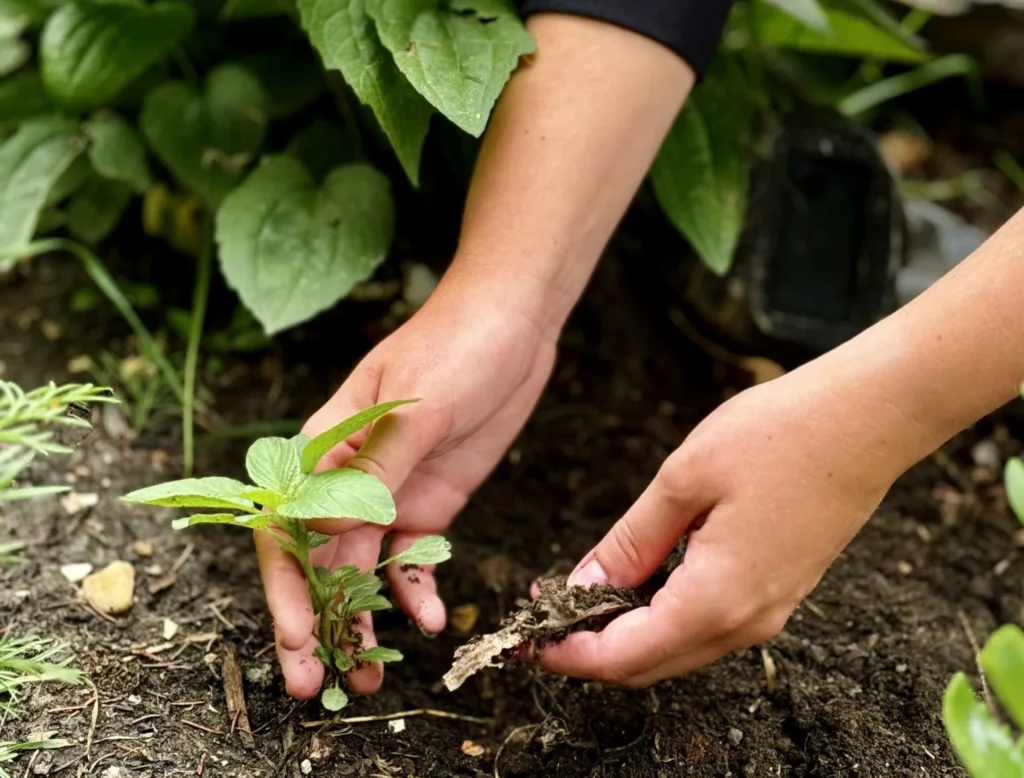
First, healthy soil makes healthy plants. For plants to grow, they need stable soil to encourage root growth, provide insulation from fluctuations in temperature, and hold nutrients. A good root system can also prevent undesirable weeds from growing.
When microbe-edible materials break down and return to the soil, they bring benefits beyond just nutrients. The organic matter acts as a binder, improving the soil’s ability to hold water and resist erosion, especially in lighter, sandier soils. It even helps combat climate change by capturing and storing carbon rather than releasing it into the atmosphere.
Fertilizer versus microbe-edible materials: what's the difference?
When deciding how to add nutrients to soil, fertilizer is one of the first options that comes to mind. It’s fast and relatively affordable and it’s easy to see exactly what nutrients you’re adding and in what quantities. By comparison, making compost takes time and is less precise. Microbe-edible materials work differently, but they come with benefits synthetic fertilizer simply can’t offer.
Although fertilizer acts quickly, excess water from rain can wash the nutrients away faster than they’re absorbed. Additionally, when fertilizer is washed away, it can end up in ecosystems like rivers where the nutrients and chemicals it carries become detrimental. Organic matter returned to the soil by microbe-edible materials behaves differently — it binds to the soil, improves water retention, and releases nutrients gradually over time. And because it’s completely organic, it doesn’t deposit toxins in other environments when displaced.
How do microbe-edible materials nourish the soil?
būmi’s microbe-edible materials are not only safe for the soil, but also undeniably enhance it. The products from būmi use agricultural waste biomass, which means they:
- Are good sources of carbon-rich brown matter that feeds microorganisms
- Break down completely within 6 months in the right environment
- Leave zero microplastics behind—even the ink is microbe-edible!
When we take home new plants to put in our garden, they’re usually in pots with soil for safe transport. What if we could take advantage of those containers? With būmiGRO, the containers the plants come in can be composted to be put back in the ground only a few months later to help the plants grow in their new home!
There are several credible certifications out there — some more rigorous than others. būmi has earned four of the world’s leading ones
Returning to the earth, not the landfill
The world of bioplastics can be confusing — and “eco-friendly” claims aren’t always what they seem. When evaluating any material, look beyond the marketing and ask what it actually becomes when it breaks down.
With būmi, the answer is straightforward. Our products are made from upcycled agricultural waste, consumed by microorganisms, and returned to the soil as organic matter that’s genuinely good for the earth. No microplastics. No toxins. No fine print.
Share this story
Connect
Recent Stories